
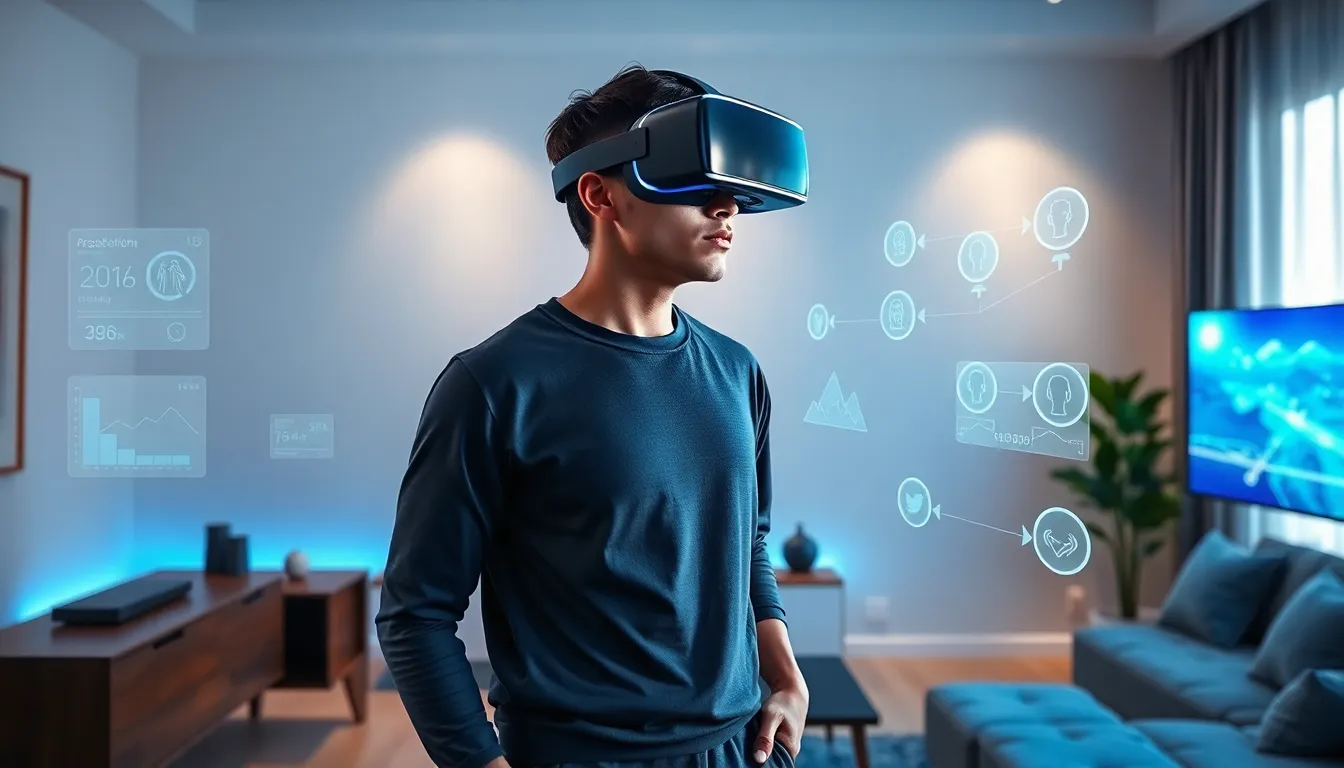
VR gaming trends 2026 point to a year of significant hardware upgrades, smarter AI, and deeper social experiences. The virtual reality industry continues to grow rapidly, with global revenue expected to surpass $22 billion by the end of 2026. Players can look forward to lighter headsets, more immersive multiplayer worlds, and fitness-focused games that blur the line between exercise and entertainment. This article breaks down the key VR gaming trends 2026 will bring, from standalone devices to cross-platform accessibility, so gamers and developers alike know what’s coming next.
Table of Contents
ToggleKey Takeaways
- VR gaming trends 2026 will bring lighter standalone headsets with 4K-per-eye displays, 120Hz refresh rates, and over 3 hours of battery life.
- Social VR platforms are evolving with realistic avatars, facial expression tracking, and real-time voice translation for global multiplayer experiences.
- AI-driven content will generate dynamic game worlds, adaptive difficulty, and NPCs that hold natural conversations and remember player interactions.
- VR fitness gaming is going mainstream with heart rate integration, gamified workouts, and wellness apps that support both physical and mental health.
- Cross-platform play and cloud gaming will break down barriers between VR ecosystems, letting players on different headsets join the same sessions.
- Accessibility features like colorblind modes, one-handed controls, and seated play options are becoming industry standards in 2026.
Standalone Headsets and Improved Hardware
Standalone VR headsets will dominate the market in 2026. These devices don’t require a PC or external sensors, making them easier to set up and use. Meta’s Quest line, Apple’s Vision Pro, and new entrants from Sony and Samsung will compete for buyers.
Hardware improvements are the big story here. Expect headsets with higher resolution displays, up to 4K per eye, and refresh rates hitting 120Hz or more. This means sharper visuals and smoother motion, which reduces motion sickness for many users.
Weight reduction matters too. Current headsets often feel heavy after 30 minutes of play. Manufacturers are using lighter materials like carbon fiber composites and redesigning weight distribution. The goal: headsets under 400 grams that players can wear comfortably for hours.
Battery life remains a challenge, but 2026 models will push past the 3-hour mark. Some companies are experimenting with hot-swappable batteries and magnetic charging docks. These VR gaming trends 2026 hardware shifts make extended play sessions practical for the first time.
Passthrough cameras will also improve dramatically. Mixed reality features let players see their real environment while interacting with virtual objects. This hybrid approach opens new gameplay possibilities and makes VR safer for home use.
Social and Multiplayer VR Experiences
Social VR is moving beyond novelty apps into fully-featured platforms. In 2026, multiplayer experiences will feel more like real gatherings than awkward avatar meetings.
Games like VRChat, Rec Room, and Horizon Worlds continue to expand their user bases. But newer platforms are raising the bar with realistic avatars, spatial audio, and persistent virtual spaces. Players can hang out, attend concerts, or collaborate on creative projects together.
Multiplayer gaming sees major growth in competitive VR. Esports leagues for games like Echo VR and Population: One are gaining traction. Prize pools are increasing, and streaming platforms are adding VR-specific features for viewers.
The VR gaming trends 2026 social features include better voice chat with noise cancellation and real-time translation. These tools help players communicate across language barriers, expanding the global player base.
Avatar technology is getting smarter too. Headsets now track facial expressions and hand gestures with greater accuracy. When someone smiles or frowns, their avatar reflects it. This emotional feedback makes conversations feel more natural and engaging.
Developers are building games specifically for groups. Co-op adventures, escape rooms, and team-based shooters work better in VR because of the physical presence players feel. Friends in different cities can share experiences that feel almost as real as being in the same room.
AI-Driven Content and Adaptive Gameplay
Artificial intelligence is reshaping how VR games are built and played. In 2026, AI tools will generate content, adjust difficulty, and create more believable non-player characters.
Procedural generation powered by AI means developers can create larger worlds without years of manual work. Environments, quests, and even dialogue can be generated dynamically. This keeps games fresh and reduces development costs.
Adaptive difficulty is another key VR gaming trends 2026 feature. Games will monitor player performance and adjust challenges in real time. Struggling with a boss fight? The AI might tweak enemy behavior or offer subtle hints. Breezing through levels? Expect tougher obstacles. This personalization keeps players engaged without frustration.
NPC behavior is improving significantly. AI-powered characters can hold conversations, remember past interactions, and respond to player choices in meaningful ways. Instead of scripted responses, NPCs react based on context. This makes virtual worlds feel more alive.
Voice recognition and natural language processing allow players to speak directly to characters. Ask an NPC for directions, and they’ll respond appropriately. This interaction style feels intuitive and reduces reliance on menu systems.
AI also helps with accessibility. Real-time captioning, audio descriptions, and customizable control schemes can adapt to individual player needs. These features open VR gaming to people who might otherwise be excluded.
Fitness and Wellness Gaming Integration
VR fitness games are no longer a niche category. In 2026, health-focused gaming will attract millions of players who want workouts that don’t feel like exercise.
Games like Beat Saber, Supernatural, and FitXR have proven that rhythm-based movement games can burn serious calories. New titles are expanding beyond rhythm to include boxing, dancing, martial arts, and full-body workouts.
Hardware integration supports this VR gaming trends 2026 shift. Heart rate monitors, smartwatch connections, and built-in fitness tracking give players real data about their workouts. Some games adjust intensity based on heart rate zones, pushing players harder or easing off as needed.
Gamification drives consistency. Players earn points, unlock achievements, and compete on leaderboards. These mechanics tap into the same psychology that makes traditional games addictive, but the reward is better health.
Wellness extends beyond physical fitness. Meditation apps, stress-relief experiences, and guided breathing exercises use VR’s immersive qualities for mental health benefits. Studies show that VR meditation can reduce anxiety and improve focus.
Corporate wellness programs are adopting VR fitness solutions. Companies see value in offering employees engaging exercise options, especially for remote workers who miss gym access. This enterprise interest is driving investment in the space.
Cross-Platform Play and Accessibility
Cross-platform play removes barriers between VR ecosystems. In 2026, players on different headsets will join the same game sessions more easily than ever.
This shift matters because the VR market is fragmented. Meta Quest users, PlayStation VR players, and PC VR enthusiasts often can’t play together. Developers are building unified backends that support multiple platforms, expanding their potential audience.
VR gaming trends 2026 include better PC VR streaming. Players can run demanding games on their computers and stream them wirelessly to standalone headsets. This gives budget-conscious gamers access to high-end experiences without buying expensive hardware.
Accessibility features are becoming standard rather than afterthoughts. Colorblind modes, one-handed control options, seated play support, and adjustable text sizes help more people enjoy VR. Industry groups are publishing accessibility guidelines, and platform holders are requiring minimum standards for featured games.
Cloud gaming is entering the VR space. Services that render games on remote servers and stream them to headsets could eliminate hardware limitations entirely. Early implementations show promise, though latency remains a challenge for fast-paced games.
Retrofit options help existing headset owners stay current. Software updates add new features to older devices, extending their useful life. This approach builds customer loyalty and keeps the install base active longer.